Gall bladder problems often begin with occasional discomfort after meals, but many people overlook these warning signs until the pain becomes severe. Gallstones are among the leading reasons for gall bladder surgery, and timely treatment can prevent serious complications such as infection, blockage, or inflammation.
If you frequently experience pain in the upper abdomen, particularly after eating fatty foods, it may be time to consult a specialist. Dr. Abhijit Whatkar evaluates patients with gall bladder disorders and recommends treatment based on the severity of symptoms, imaging findings, and overall health.
Why Does the Gall Bladder Develop Problems?
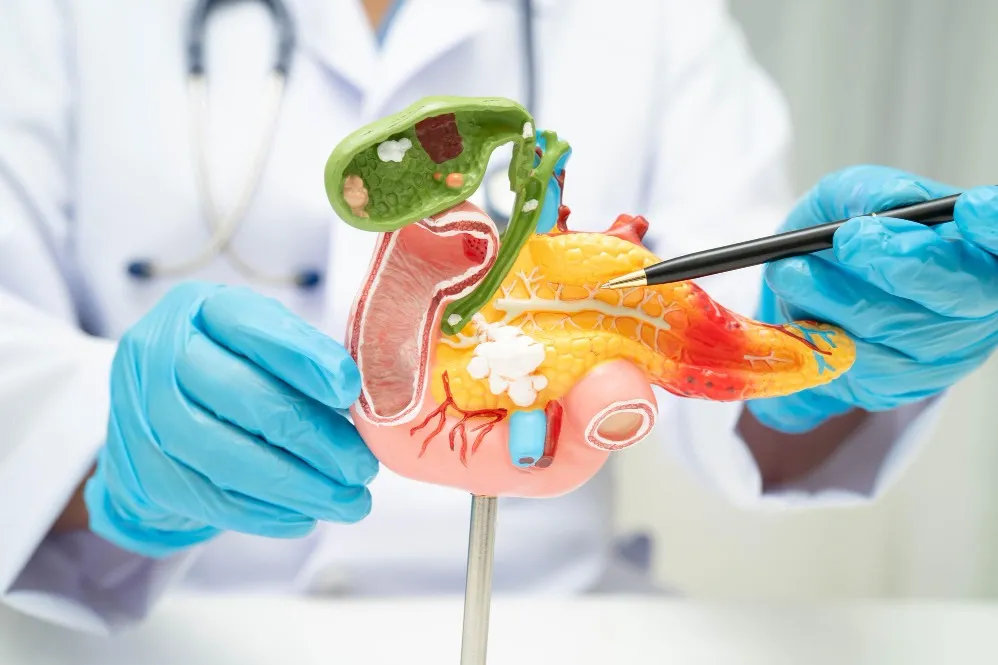
The gall bladder stores bile produced by the liver, helping digest fats. Sometimes, cholesterol, bile pigments, or calcium salts form solid deposits called gallstones.
Not every gallstone causes symptoms. However, when stones block the bile ducts, they can trigger sudden and severe pain.
Risk factors include:
- Obesity
- High-fat diet
- Diabetes
- Pregnancy
- Rapid weight loss
- Family history
- Increasing age
Understanding these factors helps patients recognize when medical evaluation is needed.
Common Symptoms of Gall Bladder Disease
Gall bladder disorders often present with recurring symptoms that gradually become more frequent.
Watch for:
- Sharp pain in the upper right abdomen
- Pain after heavy or oily meals
- Pain spreading to the back or right shoulder
- Nausea and vomiting
- Bloating and indigestion
- Fever if infection develops
Persistent or worsening symptoms should never be ignored.
When Is Surgery Recommended?
Not everyone with gallstones requires surgery. Treatment depends on whether the stones are causing symptoms or complications.
Doctors commonly recommend surgery when patients experience:
- Repeated attacks of pain
- Gall bladder inflammation
- Blocked bile ducts
- Infection
- Pancreatitis related to gallstones
Delaying treatment may increase the risk of emergency surgery later.
Laparoscopic Gall Bladder Surgery: The Preferred Approach
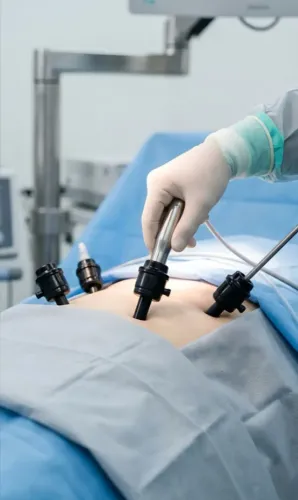
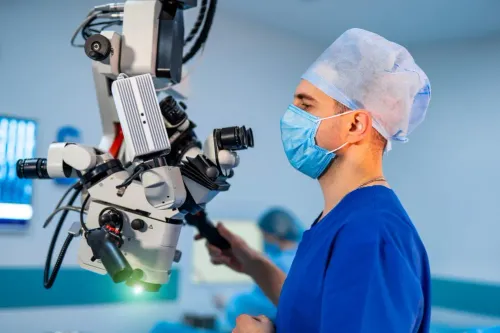
Today, laparoscopic surgery has become the standard treatment for most symptomatic gall bladder conditions.
The procedure involves:
- Small incisions
- A tiny camera for better visualization
- Specialized surgical instruments
- Removal of the gall bladder with minimal tissue damage
Compared with traditional surgery, patients usually experience:
- Less pain
- Shorter hospital stay
- Faster recovery
- Smaller scars
- Earlier return to daily activities
The exact approach depends on individual medical findings.
Finding Quality Surgical Care in Pune, Maharashtra
Choosing an experienced surgeon is important because gall bladder surgery requires careful assessment before and during the procedure.
A comprehensive evaluation generally includes:
- Physical examination
- Ultrasound imaging
- Blood investigations
- Review of previous medical history
- Assessment of overall surgical fitness
Patients in Pune, Maharashtra increasingly seek surgeons who combine modern minimally invasive techniques with clear communication and personalized care.
Recovery After Gall Bladder Surgery
One of the biggest advantages of laparoscopic surgery is its relatively quick recovery period.
Most patients can expect:
- Walking on the same day
- Resuming light meals shortly after surgery
- Going home within one or two days
- Returning to office work in about a week
- Gradually resuming regular exercise after medical advice
Following dietary recommendations during the initial recovery period also helps improve comfort.
Can You Live Normally Without a Gall Bladder?
Yes. The liver continues producing bile even after the gall bladder is removed. Instead of being stored, bile flows directly into the digestive tract.
Most people return to completely normal lifestyles after recovery, with only temporary dietary adjustments during the healing phase.
Knowing When to Seek Medical Advice
Repeated abdominal pain should never be considered a normal part of digestion. Early diagnosis often allows planned treatment before complications develop.
If you are experiencing symptoms suggestive of gallstones or gall bladder disease, consulting a qualified surgeon can provide clarity about your condition and the available treatment options. Receiving timely care can help prevent emergency situations and support a faster return to everyday life.
Keywords