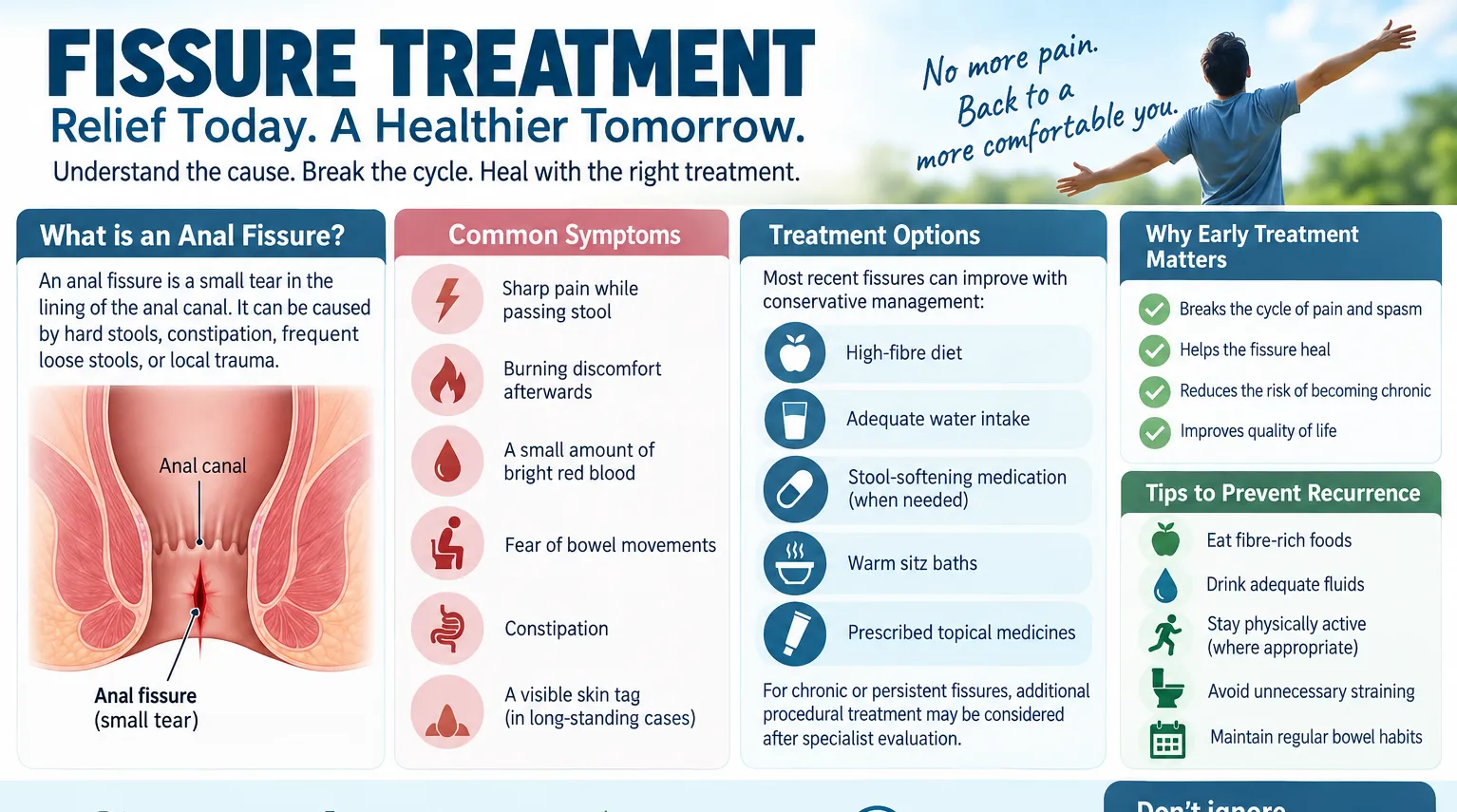
A sharp or burning pain during bowel movements is a common description given by people with an anal fissure. The discomfort may continue for minutes or even hours after passing stool, making patients anxious about their next bowel movement. Effective fissure treatment begins by understanding why the tear developed and what is preventing it from healing.
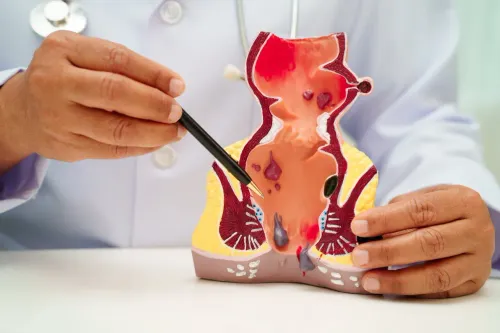
An anal fissure is a small tear in the lining of the anal canal. Hard stool and constipation are common triggers, although frequent loose stools or local trauma can also contribute.
Why Does a Fissure Hurt So Much?
The anal region contains sensitive nerve endings. When a fissure forms, bowel movements can repeatedly stretch the injured tissue.
Pain may cause the internal anal sphincter muscle to tighten. Increased muscle spasm can reduce local blood flow, potentially making healing more difficult.
This can create a cycle:
Hard stool causes a tear, the tear causes pain, pain triggers muscle spasm, and fear of pain may lead patients to delay bowel movements. Delaying stool can make constipation worse, starting the cycle again.
Common Symptoms
Patients may notice:
- Sharp pain while passing stool
- Burning discomfort afterwards
- A small amount of bright red blood
- Fear of bowel movements
- Constipation
- A visible skin tag in long-standing cases
The symptoms can overlap with piles and other anal conditions, which is why self-diagnosis is not always reliable.
Early Treatment Focuses on Breaking the Cycle
Many recent fissures can improve with conservative management.
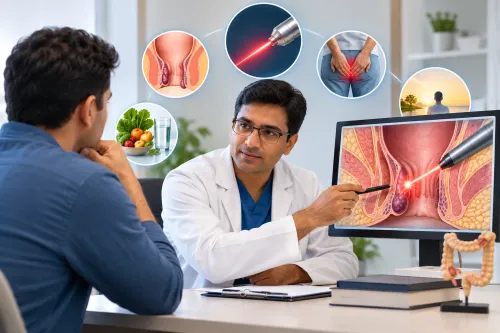
A doctor may recommend measures intended to keep stools soft and reduce trauma during bowel movements. Depending on the patient, these can include dietary fibre, adequate water intake, stool-softening medication, warm sitz baths, and prescribed topical medicines.
Patients should avoid repeatedly using over-the-counter creams without knowing whether the problem is actually a fissure.
What Makes a Fissure Chronic?
A fissure that does not heal despite appropriate conservative treatment may become chronic.
Long-standing fissures can develop characteristic changes around the affected area. Persistent sphincter spasm can also contribute to continued symptoms.
At this stage, a surgical specialist may assess whether additional treatment is appropriate.
Are Procedures Always Necessary?
No.
The decision depends on how long symptoms have been present, whether appropriate medical treatment has already been tried, examination findings, recurrence, and the impact on daily life.
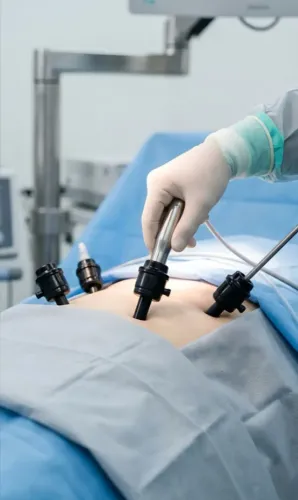
Selected chronic cases may require procedural treatment aimed at reducing the factors preventing healing. Different techniques are available, and their suitability should be discussed individually.
Patients should ask what treatment is being proposed, why it is appropriate, expected recovery, possible complications, and how constipation will be managed afterwards.
Preventing Recurrence Matters
Treatment does not end when the pain disappears.
Regular bowel habits remain important. Fibre-rich foods, adequate fluid intake, physical activity where appropriate, and avoiding unnecessary straining can help reduce repeated trauma.
Patients across Pune and Maharashtra who experience persistent anal pain can seek surgical evaluation rather than repeatedly treating presumed piles. Dr. Abhijit Whatkar assesses fissure-related symptoms and discusses treatment according to the duration and severity of the condition.
Recurring pain is often a sign that the underlying cycle has not been fully addressed. Accurate diagnosis, appropriate bowel management, and treatment tailored to the individual can provide a clearer route toward recovery.
Keywords