A small tear in the lining of the anus may seem like a minor problem initially, but it can quickly become extremely painful. An anal fissure often causes sharp pain during bowel movements, followed by burning discomfort that may last for several hours. Many people assume the problem will resolve on its own, yet untreated fissures can become chronic and significantly affect quality of life.
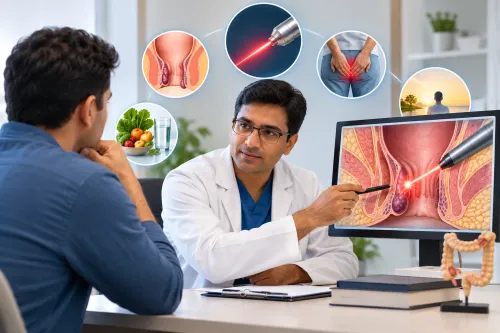
Understanding the symptoms and seeking timely fissure treatment can help prevent long-term discomfort and reduce the need for more extensive procedures later. Dr. Abhijit Whatkar provides comprehensive evaluation and treatment for anal fissures, offering both conservative and surgical solutions based on each patient's condition.
What Is an Anal Fissure?
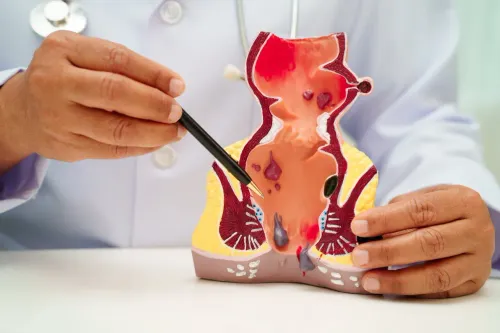
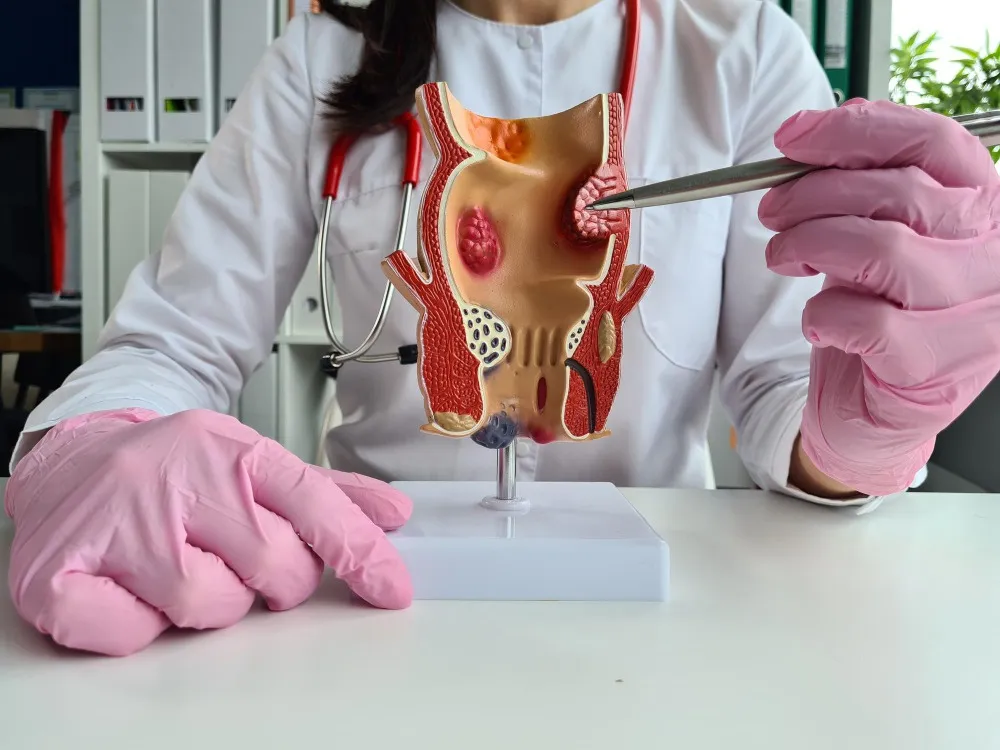
An anal fissure is a small cut or tear in the delicate lining of the anal canal. Although the injury itself is small, the repeated stretching of the area during bowel movements makes healing difficult.
The condition affects adults of all ages and is commonly associated with constipation, though several other factors may contribute.
What Causes Anal Fissures?
Understanding the cause is important because treatment often addresses both the tear and the underlying issue.
Common causes include:
- Passing hard or large stools
- Chronic constipation
- Frequent diarrhoea
- Excessive straining
- Childbirth
- Inflammatory bowel diseases
- Reduced blood supply to the anal region in older adults
Without correcting these contributing factors, fissures may continue to recur.
Recognising the Symptoms
Anal fissures produce a distinctive pattern of symptoms that many patients describe as intense and difficult to ignore.
Typical symptoms include:
- Sharp pain during bowel movements
- Burning sensation afterwards
- Bright red blood on toilet paper
- Visible crack near the anus
- Muscle spasms around the anal opening
- Fear of passing stools because of pain
This cycle of pain and constipation often delays healing even further.
Why Early Treatment Matters in Pune, Maharashtra
Many individuals delay treatment because of embarrassment. Unfortunately, chronic fissures become more difficult to heal than newly developed ones.
Seeking medical care early offers several advantages:
- Faster symptom relief
- Better healing rates
- Lower chance of chronic fissures
- Reduced need for surgery
- Improved bowel comfort
Patients across Pune, Maharashtra are increasingly opting for early evaluation rather than waiting until symptoms become severe.
Treatment Options for Anal Fissures
Treatment depends on whether the fissure is acute or chronic.
Conservative Treatment
Most new fissures respond well to non-surgical care.
This may include:
- Increasing dietary fibre
- Drinking adequate water
- Warm sitz baths
- Stool softeners
- Prescription ointments that relax the anal muscles
These measures encourage healing while reducing pain.
Minimally Invasive Procedures
If symptoms continue despite medication, additional interventions may be recommended.
Options may include:
- Botox injections to reduce muscle spasm
- Other office-based procedures in selected patients
Surgical Treatment
Chronic fissures that fail to heal with conservative treatment may require surgery.
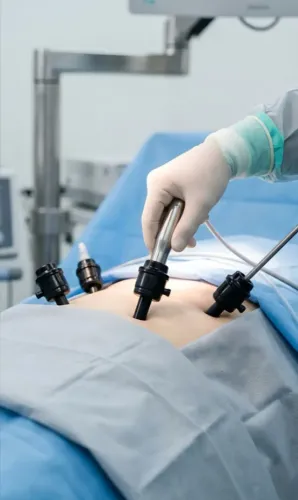
One commonly performed procedure is lateral internal sphincterotomy, which reduces muscle tension and improves blood flow, allowing the fissure to heal more effectively.
The decision to operate depends on individual evaluation rather than symptom duration alone.
Tips to Prevent Future Fissures
Even after successful treatment, prevention remains important.
Simple habits include:
- Eating fruits, vegetables, and whole grains
- Staying hydrated throughout the day
- Exercising regularly
- Avoiding prolonged constipation
- Not delaying bowel movements
- Maintaining healthy toilet habits
These everyday practices support healthy digestion and reduce pressure on the anal canal.
When Should You Visit a Surgeon?
Persistent pain or bleeding during bowel movements should never be dismissed as normal. While fissures are common, similar symptoms may also indicate piles or other colorectal conditions that require different treatment.
A timely consultation allows an accurate diagnosis and ensures the most appropriate care is started without unnecessary delays.
If anal pain is affecting your daily routine, early medical evaluation can help identify the cause and guide effective treatment. With appropriate care and healthy lifestyle adjustments, most patients experience significant relief and can return to normal activities without ongoing discomfort.
Keywords